
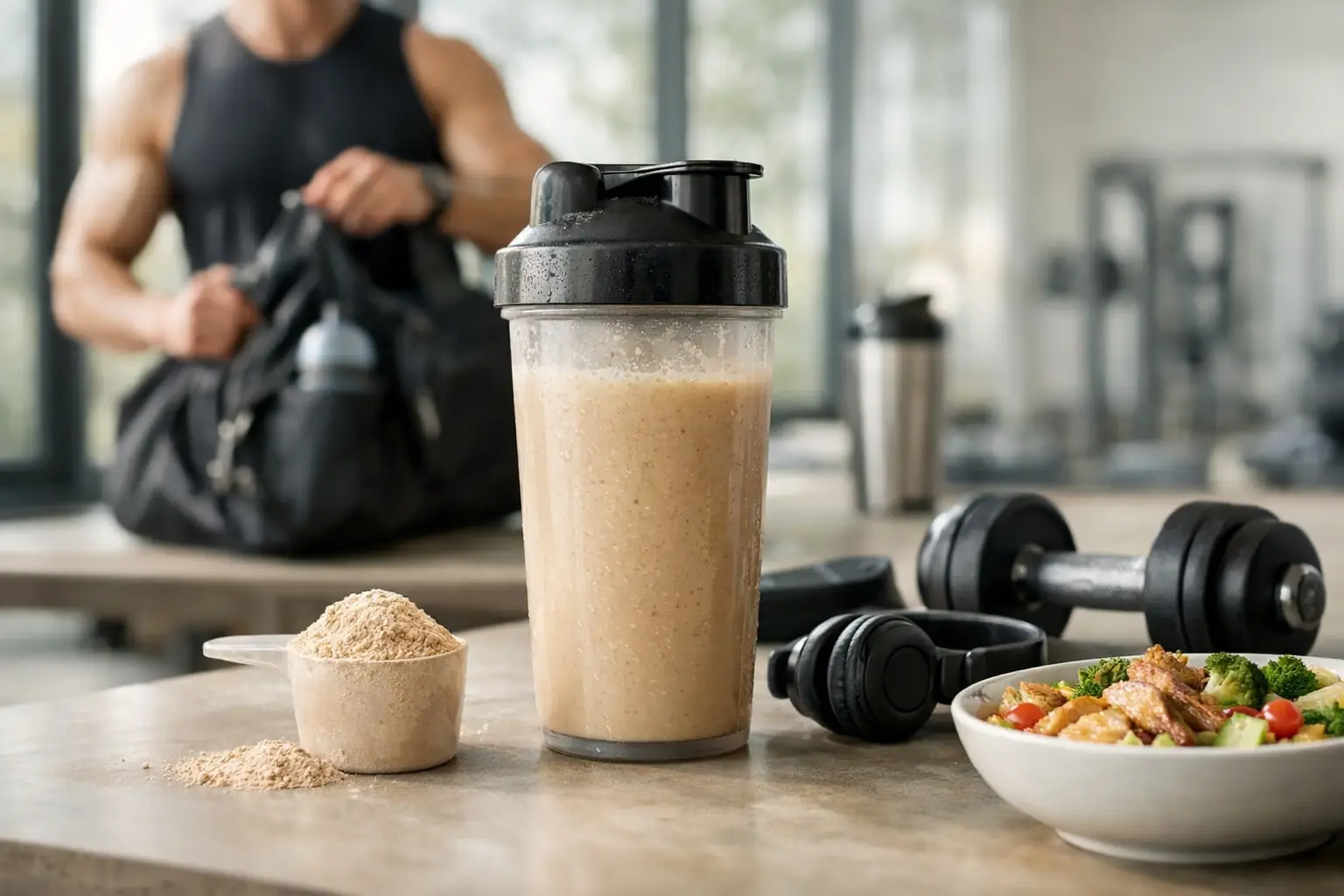
Meal Replacement Shakes for Busy Lifters
Your lunch break gets cut short, the commute runs late, and suddenly the meal you planned around your 5pm session does not exist. That is where meal replacement shakes for busy lifters earn their place. They are not magic muscle builders and they should not replace every plate you eat, but they can stop a packed schedule from repeatedly wrecking your calories, protein and training output.
For lifters, the best option is not simply the shake with the biggest protein number on the front. It is the one that fits your goal, sits well before or after training, and makes it easier to hit your intake consistently. Whether you are gaining size, cutting body fat or trying to maintain performance through a hectic week, the label matters.
What a Meal Replacement Shake Should Do
A protein shake and a meal replacement shake are not automatically the same thing. Standard whey is primarily a convenient protein source. Useful? Absolutely. But mixed with water, it may provide only 100 to 150 calories and very little carbohydrate, fat, fibre or micronutrition. That is a supplement, not much of a meal.
A proper meal replacement is built to provide a more rounded feed in one serving. Alongside protein, it may include carbohydrate sources such as oats or maltodextrin, fats from seeds or MCTs, fibre, and added vitamins and minerals. The aim is practical: give you meaningful energy and nutrition when cooking is not realistic.
That does not mean every product has to contain every ingredient under the sun. A lifter in a calorie surplus may want a higher-calorie formula with plenty of carbs. Someone dieting may prefer a lighter shake with high protein and fibre, then use whole-food meals for the rest of their calories. The right formula depends on the job it needs to do.
Why Busy Lifters Use Meal Replacements
Consistency drives progress far more than the occasional perfect day of meal prep. Missing meals regularly makes it harder to gain, often leads to uncontrolled snacking later, and can leave you under-fuelled for sessions. For people dieting, being caught hungry with no planned food can create the same problem in reverse: a quick convenience meal that burns through a large part of the day’s calorie target.
A shake is easy to keep in a gym bag, desk drawer or car. Add water or milk, shake it hard, and you have a measured meal you can drink between meetings, lectures or errands. It is also easier to track than grabbing something at a café and guessing the calories.
There is a performance angle too. If your last proper meal was breakfast and you train after work, a meal replacement can bridge that gap. You may not need a huge serving immediately before lifting, but a balanced shake a couple of hours beforehand can provide carbohydrate for training and protein to support your daily target.
Choosing Meal Replacement Shakes for Busy Lifters
Start with calories, not marketing claims. Ask whether the shake is replacing a meal in your current plan or adding calories on top. For a leaner person struggling to gain weight, a 500 to 800-calorie serving can be useful. For a lifter cutting or maintaining, 250 to 400 calories might be more appropriate. Neither is universally better.
Protein: enough to count
Look for roughly 20 to 40g of quality protein per serving, depending on your body size and how the shake fits into the rest of your day. Whey, milk protein, casein, soy and well-formulated vegan blends can all work. The bigger question is whether the total daily protein intake supports your target.
For most resistance-trained people, a daily intake around 1.6 to 2.2g of protein per kilogram of body weight is a solid working range. A meal replacement can make that target far easier to reach, especially if breakfast and lunch are normally rushed.
Carbohydrates: match them to your training
Carbs are not filler when you train hard. They support training volume and help make a shake more useful as an actual meal. Oat flour and other slower-digesting carbohydrate sources may suit a breakfast shake or a meal taken well before training. Faster carbs can suit people with high calorie needs or those fitting food around demanding sessions.
If you are cutting, do not assume low-carb always means better. It may be the right choice if you get most of your carbs from meals, but it can be a poor fit if you train late and need fuel. Look at the entire day rather than judging one macro in isolation.
Fibre and fats: the difference between a drink and a meal
A shake that leaves you hungry again in 30 minutes may not solve your convenience problem. Fibre and a modest amount of dietary fat can improve fullness and slow the rate at which the meal clears your stomach. Around 5g of fibre is a useful benchmark, though a sudden jump in fibre can cause bloating if your normal diet is low in it.
Fats raise calories quickly, which helps hard gainers. But a high-fat shake directly before heavy squats, deadlifts or conditioning may feel too heavy. Timing matters. Use the fuller, more calorie-dense option further away from training and keep pre-workout nutrition easier to digest.
Ingredients you will actually tolerate
The most impressive nutrition panel is useless if the product gives you stomach issues. Lactose-sensitive lifters may do better with lactose-reduced options, isolate-based formulas or plant blends. Some people also react badly to certain sweeteners, sugar alcohols or very large servings of gums and added fibre.
Try a new shake on a normal day first rather than drinking it for the first time 45 minutes before leg day. Mix it as directed and assess taste, thickness, digestion and fullness. A product you can use every week beats one with perfect macros that stays at the back of the cupboard.
When to Use a Meal Replacement Shake
Breakfast is the obvious slot. If the alternative is coffee and nothing until midday, a shake with protein, carbs and fibre is a major upgrade. Blend it with milk if you need extra calories, or use water when you need a lighter option.
It also works well as a workday lunch when you have no fridge, no microwave and no time to queue. If you can pair it with a piece of fruit or a simple whole-food snack, even better, but the shake still does the core job on its own.
Before training, give yourself enough time to digest it. Many lifters find 90 minutes to two hours comfortable for a substantial serving. If your session starts sooner, use a smaller portion or choose a lower-fat shake. After training, it is a convenient option when you will not get a proper meal for several hours, although there is no need to panic over a narrow post-workout window.
Avoid treating it as a licence to ignore real food. Whole meals bring variety, chewing satisfaction, naturally occurring micronutrients and food skills that a powder cannot fully replicate. Meal replacements are there to cover the gaps, not become your entire nutrition plan.
Make the Shake Work Harder
The most flexible formulas let you adjust the serving to suit the day. Use one scoop and water when calories are tight. Use a full serving with milk when you need more energy. If you are gaining and need an extra push, adding oats, nut butter or a banana can turn a moderate shake into a serious calorie tool.
Keep the additions deliberate. It is easy to turn a 350-calorie meal replacement into 900 calories without noticing, which is helpful for a hard gainer but less helpful during a cut. Weigh ingredients for the first few uses so you understand what your regular blend actually contains.
You can also keep the rest of your stack simple. Creatine can be added to a daily shake if that helps you remember it. Hydration products are better used around sweaty sessions, while a pre-workout should be chosen based on stimulant tolerance and training time, not thrown into a meal replacement by default.
A Straightforward Buying Checklist
Before adding a meal replacement to your rotation, check four things:
- Calories per serving and whether they fit your current goal.
- Protein content and the protein source used.
- Carbohydrate, fibre and fat levels for your timing and appetite.
- Serving size, taste and value per complete meal, not just per tub.
SUPPS101 stocks performance nutrition across protein, weight-gain and convenience-focused categories, so you can choose based on the numbers that matter rather than forcing one product to cover every goal.
The best shake is the one that saves a missed meal without creating another problem. Keep one where your schedule usually falls apart, use it with intent, and let your training plan – not your calendar – set the standard for your nutrition.
About author

Add comment