
Best Lifting Straps for Deadlifts Compared
Your hamstrings and back are ready for another heavy set, but the bar is rolling out of your fingers before the target muscles are close to done. That is exactly where the best lifting straps for deadlifts earn their place in a serious gym bag. They reduce the limiting factor of grip on selected working sets, letting you load and train your posterior chain with more intent.
Straps are not a shortcut around every grip weakness. They are a training tool. Used properly, they help bodybuilders, strength athletes and regular lifters push heavier rows, RDLs, rack pulls and deadlifts without turning every back session into an accidental grip-only workout. The right pair depends on how you pull, how much load you use and whether you need quick release or maximum bar security.
Best Lifting Straps for Deadlifts by Training Goal
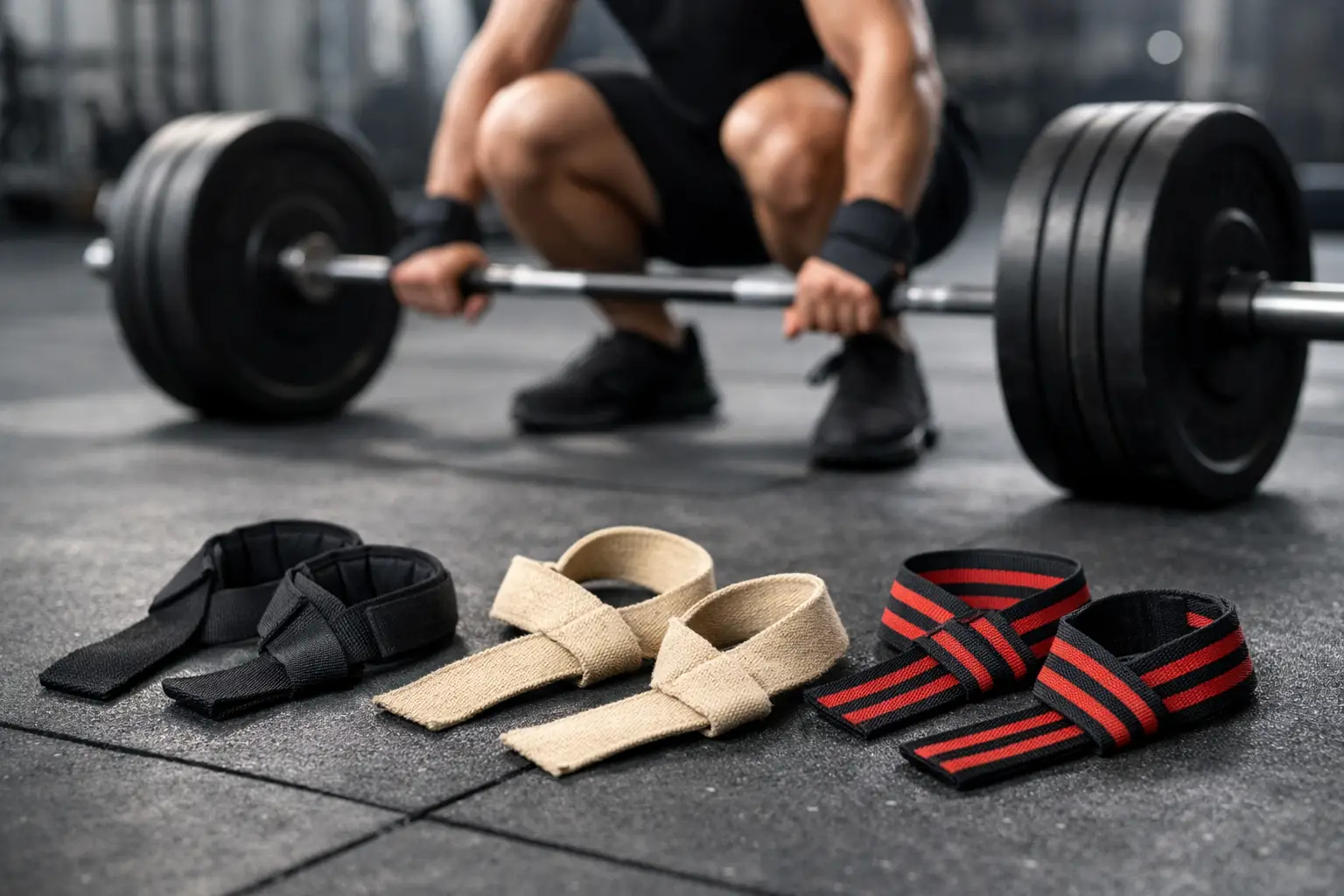
There is no single strap design that wins for every lifter. A durable cotton lasso strap is the best all-round choice for most gym sessions. Figure 8 straps provide the most locked-in feel for heavy deadlifts, while padded straps can make high-volume pulling more comfortable for newer lifters or anyone who finds a plain cotton strap abrasive.
The practical move is to buy for your training, not just the biggest number on the bar. A physique-focused lifter doing Romanian deadlifts and heavy rows needs adjustability and comfort. A powerlifter or strongman-style lifter chasing maximal deadlift exposure may prefer the fast, secure setup of a figure 8 design. If you train in a commercial gym and want one pair for almost everything, standard lasso straps are hard to beat.
Cotton lasso straps: the all-round gym choice
Lasso straps are the familiar long straps with one sewn loop at the end. Feed the tail through the loop, place it around your wrist and wrap the remaining length around the bar in the direction that tightens as you grip. They work for deadlifts, rows, shrugs, pulldowns and even some pulling machines, making them excellent value for a broad training plan.
Look for thick cotton or a cotton-blend weave with reinforced stitching. Cotton grips the knurling well and usually feels less slippery than shiny synthetic materials once your hands start sweating. Longer straps give you more wraps around the bar, which can help on a standard Olympic barbell, but they also take longer to set up and can feel bulky in smaller hands.
The trade-off is release speed. If you miss a lift or need to let go quickly, a lasso strap takes an extra moment to unwrap. That is rarely an issue when training sensibly inside a rack or platform, but it matters when choosing your setup for very heavy attempts.
Figure 8 straps: built for big pulls
Figure 8 lifting straps create a closed connection between your wrist and the bar. You pass one loop over the wrist, bring the second loop under and around the bar, then place it over the wrist before taking your grip. Once loaded, they feel exceptionally secure.
For conventional deadlifts, block pulls and heavy rack pulls, this is the design many lifters choose when grip is no longer the goal of the set. Setup is quick after a little practice, and there is less wrapping to manage than with a long lasso strap. A good pair should be made from dense cotton webbing, with enough width to spread pressure across the wrist rather than digging in under load.
The downside is clear: you are more committed to the bar. Figure 8 straps are less versatile on machines and dumbbells, and they are not the best option if you are still learning to control a barbell deadlift. They suit confident lifters who understand their position, train in a clear area and want a highly secure grip aid for heavy work.
Padded straps: comfort for volume work
Padded lifting straps place neoprene or similar cushioning around the wrist. They can be useful if standard webbing rubs your skin during high-rep RDLs, barbell rows or shrug sets. They are also a sensible entry point if you are new to straps and want the wrist area to feel less harsh.
Comfort does not automatically mean better performance. Thick padding can make the wrist-bar connection feel less direct, and lower-quality padded straps may shift or bunch once heavy sets begin. For the heaviest deadlifts, many experienced lifters still prefer firm, unpadded cotton. Consider padded straps a comfort-led option, not a guaranteed upgrade.
Leather straps: durable, but more specific
Leather straps are tough, traditionally styled and capable of lasting for years when cared for properly. They can mould to the wrist over time and offer a very solid connection to the bar. Some lifters love that broken-in feel, especially for heavy pulling movements.
They are usually stiffer out of the packet, less convenient to wash and can become slippery if neglected. Leather also tends to cost more than cotton. If you value long-term durability and prefer a firmer strap, it is a strong option. For a first pair, cotton is normally simpler and more forgiving.
What to Check Before You Buy Deadlift Straps
Material matters, but build quality matters just as much. A strap takes repeated force through the webbing, the sewn loop and the wrist area. Weak stitching or thin material quickly becomes obvious once the bar gets heavy.
Check the strap width first. Wider straps generally distribute pressure better, particularly during heavy deadlifts and shrugs. Narrow straps can feel easier to wrap for smaller hands, but may bite into the wrist under load. Around 3.8 cm to 5 cm is a useful all-round range for most lifters.
Length affects both security and setup. Shorter straps are quick and tidy, but may offer fewer wraps. Longer lasso straps create more grip around the bar but can be excessive for lifters with smaller wrists or those who only use straps for moderate-weight accessory work. If you are unsure, a standard-length cotton lasso design gives the most flexibility.
Also inspect the stitching. Reinforced box stitching at the loop and clean, tightly finished edges are signs that the strap is designed for repeated use. Loose threads, thin seams and overly soft webbing are not what you want when your working weight is climbing.
Finally, think about the bar itself. Aggressive power bar knurling grips cotton very effectively but can wear straps faster. A smoother commercial-gym bar may need an extra wrap to feel secure. Chalk can still help your initial grip and stop the strap from shifting, especially during high-rep pulling sessions.
How to Use Lifting Straps Without Neglecting Grip
The best approach is not to strap every warm-up set. Build your grip with unassisted pulling first, then use straps where they let the target muscles work harder. For example, pull your lighter and moderate deadlift sets without straps, then strap in for your heaviest back-off work or high-rep RDLs when your hands would otherwise fail before your glutes and hamstrings.
For lasso straps, make sure the wrap tightens when the bar tries to roll out of your hand. Most lifters get this wrong at least once. Wrap the strap in the same direction that the bar rotates into your fingers, then close your hand over the webbing and bar. Take the slack out before initiating the lift rather than yanking against a loose strap.
For figure 8 straps, set both sides evenly and make sure the webbing sits flat. Do not twist the material around the wrist. Start with manageable loads until the setup feels automatic, and avoid using them where a fast bail-out may be needed.
Keep dedicated grip work in your programme if a stronger natural hold is a goal. Heavy carries, timed bar hangs, double-overhand warm-up sets and controlled holds at the top of a deadlift all have a place. Straps should extend productive training, not replace every opportunity to develop your hands and forearms.
When Straps Make Sense for Deadlifts
Straps make the most sense when grip is holding back the intended training stimulus. This is common in hypertrophy blocks, high-rep Romanian deadlifts, deficit pulls, barbell rows and heavy shrugs. If your aim is to grow your back or posterior chain, cutting a set short because your fingers gave up can be a poor trade.
They are less appropriate when you are preparing for a powerlifting competition, where straps are not permitted in the deadlift. In that case, save them for accessories and keep your competition-style pulls strap-free. Mixed grip, hook grip and focused grip training should remain part of the plan.
For most gym-goers, a quality pair of cotton lasso straps is the sensible first purchase. Add figure 8 straps if heavy deadlift work becomes a major focus and you want a more secure, faster setup. Choose the design that keeps your pulling sessions moving, then put the saved grip energy into clean reps, controlled lockouts and progressive loading.
About author

Add comment