
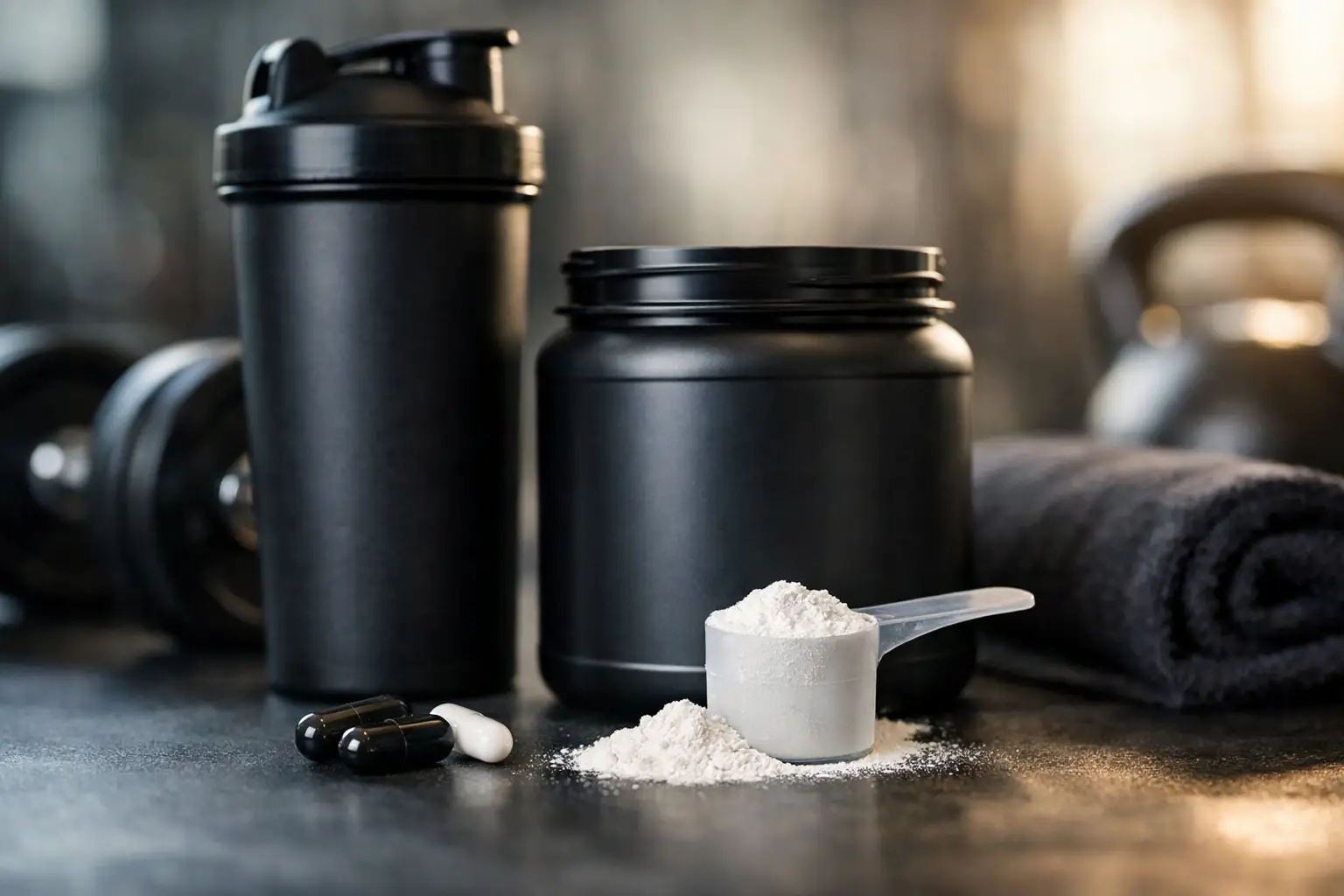
How to Use Stim Free Pre Workout for Better Sessions
A 7pm training session can be the difference between keeping your programme on track and staring at the ceiling at 2am. That is where knowing how to use stim free pre workout properly matters. You can still turn up focused, well-hydrated and ready to push hard without adding caffeine to a late session, stacking stimulants on top of coffee, or relying on a high-stim formula every workout.
Stim-free pre-workout is not a watered-down version of the real thing. The right formula is built around performance ingredients that support blood flow, muscle endurance, hydration and focus, without caffeine or other central nervous system stimulants. Use it with purpose and it can earn a permanent place in your supplement stack.
What stim-free pre-workout actually does
A stimulant-free pre-workout is designed to prepare you physically for training rather than give you a caffeine hit. Exact formulas vary, but the strongest options commonly contain ingredients such as L-citrulline or citrulline malate for pump support, beta-alanine for high-intensity performance, betaine for cellular hydration, electrolytes, taurine and nootropic ingredients for concentration.
The feeling is different from a high-stim product. Do not expect a sudden buzz, racing heartbeat or a dramatic surge of energy. Instead, expect a more controlled build into your session: better training intent, fuller muscles, more comfortable hydration and the capacity to keep working through demanding sets.
That makes stim-free pre-workout a strong choice for evening lifters, caffeine-sensitive users, athletes watching total stimulant intake, and anyone who wants to cycle away from daily caffeine use. It can also be useful before cardio, sports training or a second session, depending on the ingredients and your tolerance.
How to use stim free pre workout: timing and serving
Start with the serving guidance on the tub. Most stim-free pre-workouts are taken 20 to 40 minutes before training, mixed with cold water. If it is your first time using a particular formula, start with half a serving to assess tolerance, especially if it contains beta-alanine, niacin, nootropics or higher electrolyte levels.
Use enough water to make it easy to drink, then continue hydrating through your workout. Pre-workout is not a replacement for fluids. If you train hard, sweat heavily or work in a warm gym, bring a separate bottle with water or an intra-workout hydration product as well.
Consistency matters more than chasing an immediate hit. Ingredients such as beta-alanine work through regular use over time, not because of one scoop taken five minutes before a heavy squat. Citrulline-based pump ingredients are better suited to pre-training timing, so taking your product before you leave for the gym is generally more useful than sipping it halfway through your warm-up.
If the label provides a range, use the lower end for smaller bodyweights, shorter sessions or lower tolerance. Move up only when you know the formula sits well and you have a genuinely demanding session planned. More powder does not automatically mean more performance.
Build it around the session you are having
Match your pre-workout choice to the work ahead. A tough leg day, high-volume upper session or conditioning block is where a full stim-free serving can make the most sense. On a lighter technique session, a full rest day or a casual walk, it is probably unnecessary.
For strength work, take it before your usual warm-up so the formula is in your system as your working sets begin. For bodybuilding-style sessions, it can support the pump, hydration and focus needed to keep quality high across multiple exercises. For endurance or team sports, choose a formula with hydration support and avoid trying anything new on competition day.
Use it to control your caffeine, not just avoid it
One of the best reasons to keep a stim-free option in the cupboard is flexibility. Caffeine can be useful, but using a high-stim pre-workout every single session may leave you needing more to feel the same effect. It can also interfere with sleep, recovery and appetite if your training time is late.
A practical approach is to use a caffeinated pre-workout only for sessions that truly call for it, such as an early morning workout after poor sleep or a major performance day. Use stim-free for evening training, weekends, lower-stress sessions or any day you have already had coffee, energy drinks or fat burners.
You can also stack stim-free pre-workout with caffeine separately, but do it carefully. This gives you control over the dose instead of being locked into a pre-set amount in one product. Start low, account for every source of caffeine consumed that day, and avoid treating fatigue with ever-increasing stimulant intake. If sleep quality starts slipping, reduce the dose or move caffeine earlier.
Know what the key ingredients feel like
A good stim-free product can feel different from what newer users expect. Understanding that difference stops you from assuming it is not working.
Citrulline is commonly used to support nitric oxide production and blood flow. Many users notice this as a stronger pump, particularly during higher-rep training. Beta-alanine can cause a harmless tingling sensation in the skin, often around the face, ears or hands. It is not a measure of effectiveness, and it is not a reason to keep increasing the serving.
Electrolytes and taurine support hydration, which can be particularly valuable when you sweat heavily. Nootropics may help you feel more switched on, but they should not feel like stimulants. If a product makes you feel unwell, overly flushed, dizzy or uncomfortable, stop using it and check the label rather than forcing your way through the session.
What to stack with a stim-free pre-workout
Keep your stack goal-led. Stim-free pre-workout already covers several bases, so there is no need to throw every supplement you own into the shaker.
Creatine monohydrate is a simple addition for strength and muscle-building goals. It does not need to be taken before training specifically, but adding your daily dose to a pre-workout drink can make it easier to stay consistent. If your pre-workout already contains creatine, check the amount before adding extra.
Carbohydrates can make more difference than another scoop of supplements when you are training hard after a long day. A meal containing carbs and protein one to three hours before training is a solid foundation. If food is not practical, a quick carbohydrate source closer to training may help, especially for long or high-volume sessions.
For sessions where sweat loss is high, combine your pre-workout with a proper hydration strategy. That may mean electrolytes during training, particularly in hot weather or when you are training for longer than usual. Check labels first to avoid unnecessarily doubling up on sodium or other minerals.
Common mistakes that hold it back
The biggest mistake is expecting stim-free pre-workout to feel identical to a caffeine-heavy formula. The job is performance support, not artificial urgency. Judge it by the quality of your sets, your ability to stay locked in and how you feel after training, not by whether it makes your skin itch or your heart race.
Another mistake is taking it too late and then adding a caffeinated drink because you do not feel an instant kick. Give the product enough time, eat appropriately, warm up with intent and let the session build. If you consistently feel flat, look first at sleep, calorie intake, hydration and your training plan.
Finally, do not ignore the full label. Avoid doubling ingredients across products without checking amounts. Speak to a healthcare professional before using supplements if you are pregnant or breastfeeding, have a medical condition, take medication, or have been advised to limit certain ingredients.
Make your pre-workout work harder
Stim-free pre-workout is most valuable when it supports the training habits that produce results: enough sleep, food that matches your goal, progressive training and recovery you can repeat week after week. It gives you an option for hard sessions without making caffeine the price of admission.
Keep one ready for late lifts, high-volume days and any phase where you want cleaner control over your stimulant intake. The best pre-workout routine is the one that helps you train hard tonight and still recover well enough to do it again tomorrow.
About author

Add comment