
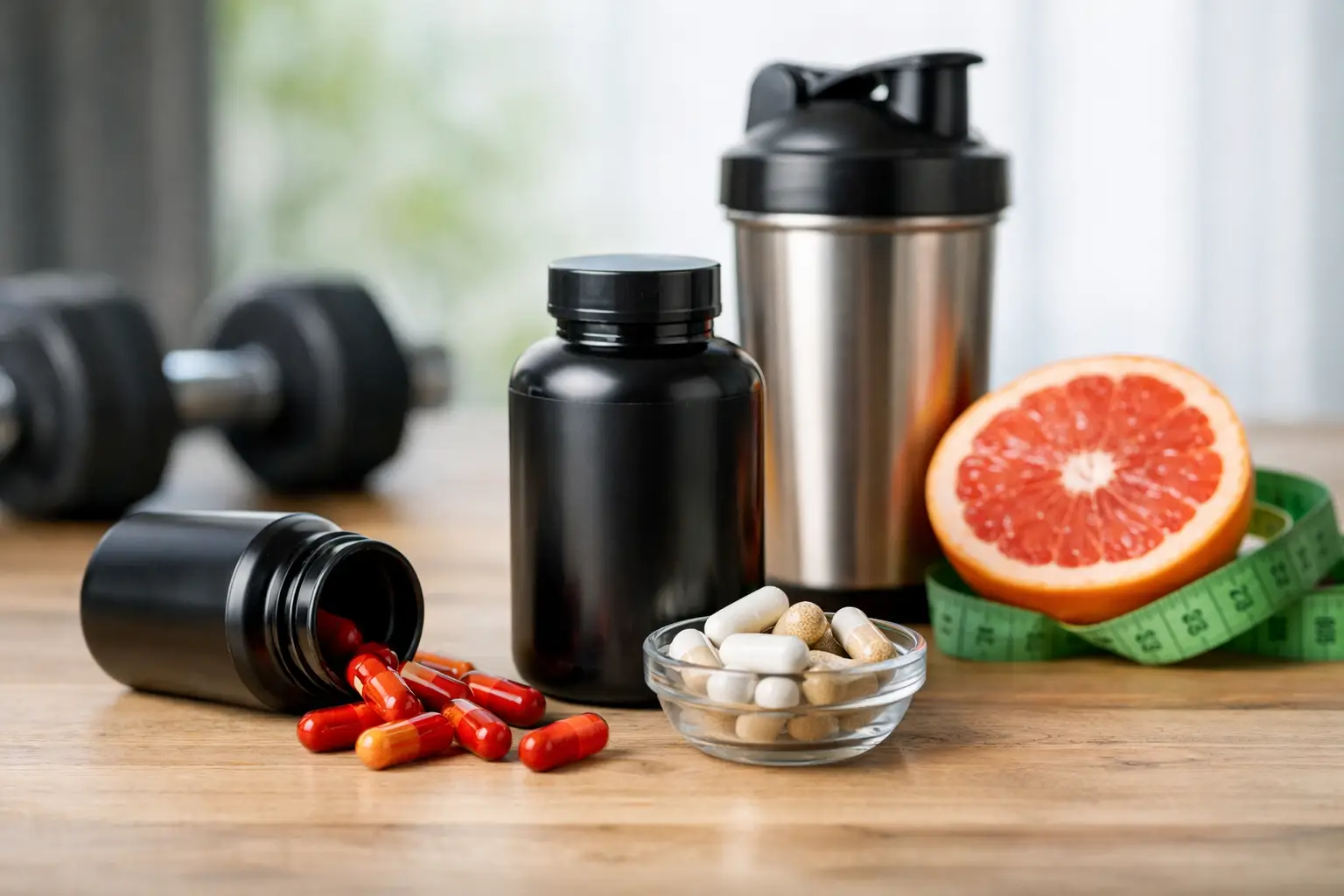
Fatburners Explained for Smarter Fat Loss
You can train hard, keep calories under control and still hit a point where progress slows. That is usually when fatburners start showing up in the conversation. For some people, they help tighten up focus, energy and appetite control during a dieting phase. For others, they are bought with the wrong expectations and judged like they failed, when the real issue was the plan around them.
That is the key point from the start – fatburners are support products, not magic products. If you are already in a calorie deficit, training consistently and trying to hold performance together while body fat comes down, the right formula can make the cut feel more manageable. If you want a capsule to do the work of diet and cardio, you will be disappointed.
What fatburners actually do
Most fatburners are built around a few practical jobs. They may raise energy, improve alertness, help manage appetite, increase thermogenesis, or support mood when calories are low. Some are heavily stimulant-based. Others are stim-free and aimed at people training later in the day, managing caffeine intake or simply wanting a cleaner formula.
The biggest mistake in this category is treating all fatburners as the same. They are not. One product might feel close to a pre-workout with added diet support. Another may focus more on hunger management and metabolic support. Another might be designed for people who want none of the buzz but still want help staying on track.
That is why ingredients matter more than the label on the front. The product name might promise intensity, but the formula tells you whether it suits your phase, your tolerance and your daily routine.
How fatburners fit into a proper cutting phase
A good cut is usually built on boring things done consistently – controlled calories, enough protein, sensible training volume, decent sleep and enough daily movement. Fatburners fit around that. They are there to make the process easier to stick to, especially when diet fatigue builds.
For example, caffeine-based products can help when energy dips and motivation drops. Appetite-focused formulas can be useful when the hardest part of dieting is not training, but avoiding constant snacking. Thermogenic blends may add a small edge, but that edge only matters if the basics are already in place.
This is where experienced supplement users tend to get better results. They do not ask, “Will this burn fat on its own?” They ask, “Will this help me keep output high, food intake controlled and consistency locked in for the next six weeks?” That is a much better question.
The main ingredient types to look for
Stimulants are still the backbone of many fatburners. Caffeine is the obvious one because it is proven, familiar and effective for energy, focus and training drive. In a deficit, that matters. Sessions can feel flat, steps feel harder to hit and work capacity often drops. A well-dosed stimulant formula can help offset that.
Then you have ingredients often used for thermogenic support, such as green tea extract or compounds included to support calorie expenditure. These are rarely dramatic on their own, but they can make sense as part of a wider formula.
Appetite management ingredients are another major category. These can be useful for people who do not struggle with training intensity but do struggle between meals, at night or during long dieting phases. If adherence is your weak point, this style of product may be more useful than a high-stim option.
There are also mood and focus ingredients. These matter more than people think. Dieting is not just a physical task. It is mental. Low calories, lower carbs and accumulated fatigue can affect mood, concentration and willingness to keep pushing. Some formulas are designed with that in mind.
Stimulant fatburners vs stim-free options
This is one of the most useful splits in the category.
Stimulant fatburners are often the go-to for gym-goers who train early, need a hard kick and tolerate caffeine well. They can work especially well during demanding phases where output matters and you want that extra urgency in the gym. The trade-off is obvious – if you are already using pre-workout, drinking multiple coffees or training in the evening, a high-stim product can easily become too much.
Stim-free fatburners make more sense when you want flexibility. They are better suited to late training, shift work, people managing sleep more carefully, or anyone who likes separating energy support from fat-loss support. They can also fit better for users stacking supplements strategically rather than throwing everything in at once.
Neither option is automatically better. It depends on your routine. If your sleep is already suffering, adding more stimulants to a cut is usually a poor move, no matter how aggressive the label looks.
What results should you realistically expect?
This is where a lot of supplement buying goes wrong. Fatburners can help, but the effect is usually supportive rather than transformational. You might feel better energy, stronger focus, reduced hunger and a bit more momentum during a deficit. That can be enough to improve compliance, and better compliance leads to better fat loss.
What you should not expect is rapid body composition change while everything else stays average. If calories are uncontrolled, steps are low and training is inconsistent, no formula is going to rescue the phase.
Think of it this way – the best fatburners improve execution. They help you train with intent, keep moving, avoid unnecessary eating and stay sharper when calories are lower. That is valuable. It is also very different from the marketing fantasy some people buy into.
How to choose the right fatburners for your goal
Start with the problem you actually need to solve. If you are dragging through workouts, look at energy and focus support. If your issue is hunger, look towards appetite-oriented formulas. If you want something to pair with a stim-heavy pre-workout, a stim-free option may be the smarter buy.
After that, check your caffeine intake across the whole day. A fatburner does not exist in isolation. If you already use a strong pre-workout, drink coffee and throw in an energy drink on top, tolerance and side effects become a real issue. More is not always more.
You should also consider timing. Some products are built for morning use. Some are better split across the day. Some are completely unsuited to late afternoons if you value your sleep. Read labels properly and be honest about your own habits rather than buying for the most extreme scenario.
For shoppers comparing formulas, this is where a broad retailer matters. A serious catalogue gives you room to match the product to the job instead of settling for whatever happens to be in stock. That is a big part of buying smarter rather than just buying louder.
Common mistakes that make fatburners look ineffective
The first is using them without a clear diet structure. If meal timing, calories and protein are inconsistent, it becomes impossible to judge whether the product is helping.
The second is overlapping too many stimulants. That often leads to jitters, energy crashes, poor sleep and eventually worse training. A cut can feel aggressive for a few days, then performance falls off a cliff.
The third is expecting instant visual change. Fat loss is measured over weeks, not one dramatic afternoon after two capsules and a sweaty session.
The fourth is choosing by branding alone. High-energy marketing can be fun, but if the formula does not match your needs, you are paying for hype instead of support.
Are fatburners worth it?
For the right person, yes. If you already train seriously, understand calorie control and want support with energy, appetite or focus, fatburners can be a useful part of the stack. They are especially relevant during tougher phases when fatigue rises and adherence gets tested.
For the wrong person, they become a distraction. If the basics are missing, money is often better spent on getting the foundation sorted first – quality protein, hydration support, better meal planning and a training setup you can actually sustain.
That is the trade-off. Fatburners are rarely the first fix, but they can be a very effective add-on when the fundamentals are already doing their job.
Final thought on using fatburners properly
The best approach is not to ask whether fatburners work in theory. Ask whether a specific formula helps you execute your cut better in real life. If it improves energy without wrecking sleep, helps control hunger, fits your stack and keeps training quality high, it is doing exactly what it should. Choose with a goal, not just a buzz, and your results usually follow.
About author

Add comment