
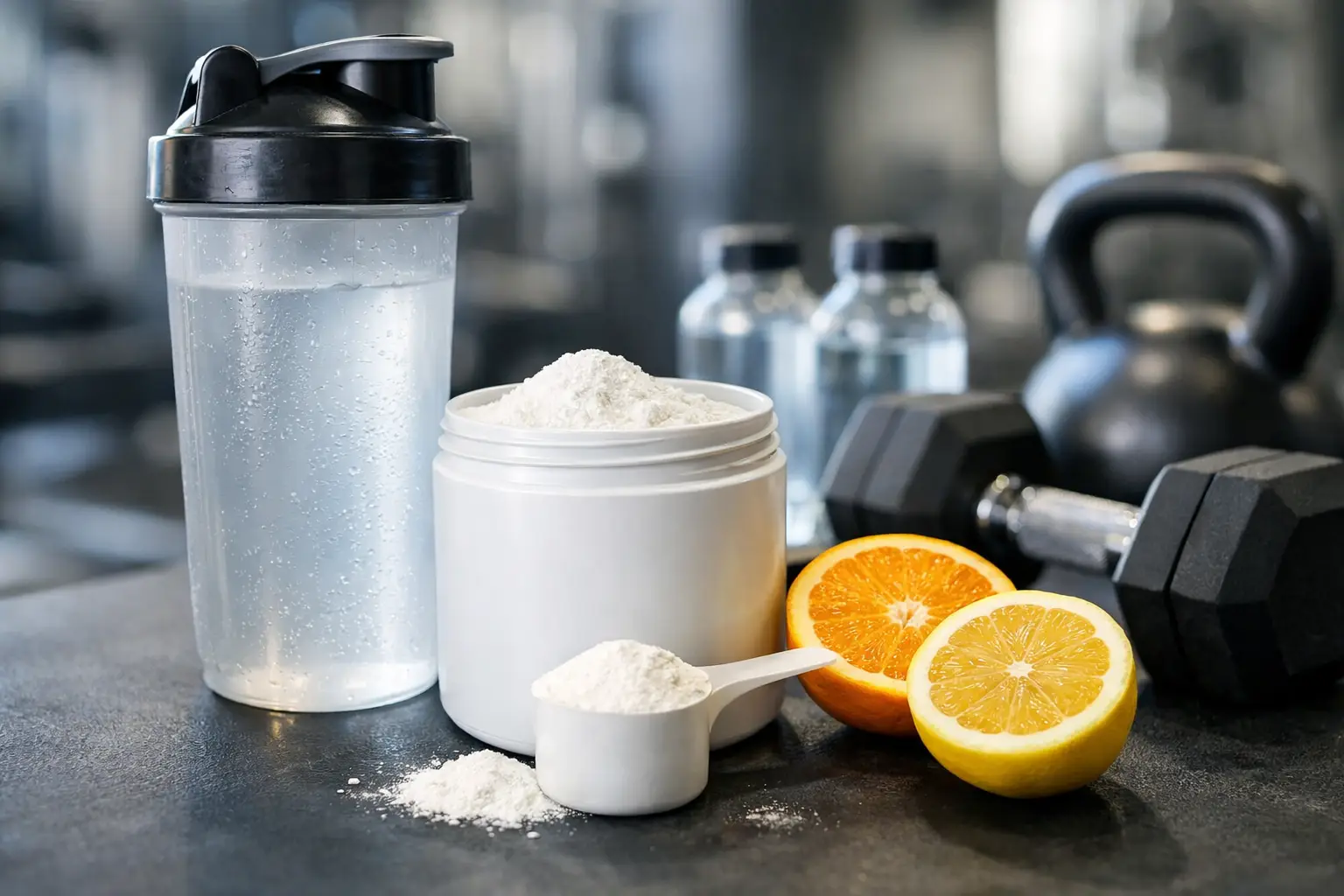
Electrolyte Powder for Gym Training Explained
You notice it halfway through a hard session. The pump starts fading, your mouth feels dry, and the last few sets suddenly feel heavier than they should. That is exactly where electrolyte powder for gym training starts to make sense – not as hype, but as a practical hydration tool when sweat losses climb and performance drops.
A lot of gym-goers still treat hydration as an afterthought. Water gets all the attention, while sodium, potassium and the rest of the hydration equation barely get mentioned. That works fine for a light 45-minute workout in a cool gym. It is a different story if you train hard, sweat heavily, stack cardio after weights, or spend any time in a hot environment.
For anyone training with intent, electrolytes are not just about avoiding cramps. They help maintain fluid balance, support muscle function and make it easier to keep performance steady across the full session. If you are pushing for strength, volume, conditioning or physique goals, that matters.
What electrolyte powder actually does
Electrolyte powders are designed to replace minerals lost through sweat. The key players are usually sodium, potassium, magnesium and sometimes calcium. Sodium is the main one to watch for most gym users because it plays the biggest role in fluid retention and hydration status during training.
That matters because plain water does not always solve the problem. If you sweat out a meaningful amount of sodium and only replace fluid, you can still feel flat, tired and underpowered. In some cases, drinking lots of plain water without enough electrolytes can make things worse by diluting sodium levels further.
In practical terms, a good electrolyte formula helps you hold on to the fluid you drink, maintain muscle contraction and reduce the drop-off that often shows up late in a tough workout. It is not a magic performance booster. It is support. But when the basics are right, support products earn their place quickly.
Who benefits most from electrolyte powder for gym training
Not every session needs it. If you do a short, low-intensity workout and you are properly hydrated beforehand, water is usually enough. The problem is that many people assume every gym session falls into that category when it clearly does not.
Electrolyte powder is most useful if you train for longer than an hour, do high-volume bodybuilding sessions, combine weights and cardio, sweat heavily, or train in warm conditions. It is also worth considering if you are dieting hard, using stimulants that increase sweating, or eating in a way that naturally lowers your sodium intake.
There is also a big individual factor. Some people finish a session with barely a damp T-shirt. Others look like they have been caught in the rain after the first working set. If you are a salty sweater – white marks on clothing, stinging eyes, noticeable salt on skin – your electrolyte demands are likely higher than average.
For early-morning lifters, it can be especially useful. You wake up slightly dehydrated, have a coffee, then head straight into training. That is not the best setup for fluid balance. Adding electrolytes before or during the session can help you start stronger and stay sharper.
Why sodium matters more than most people think
The supplement market loves complexity, but hydration is often simpler than it looks. Sodium does most of the heavy lifting in an electrolyte product for training use. It helps regulate fluid balance, supports nerve signalling and contributes to proper muscle function.
Some gym users avoid sodium because they think it is automatically bad. That makes no sense in a performance context. If you are active, sweating and training hard, sodium is not the enemy. Under-consuming it can leave you under-hydrated and below your best.
That does not mean more is always better. If a product is overloaded with sodium and your sessions are short or low sweat, it may be unnecessary. But in a proper training environment, especially for lifters and athletes who sweat a lot, sodium is usually the ingredient worth checking first on the label.
What to look for in an electrolyte powder
This is where product choice matters. Some formulas are built for actual performance. Others are little more than flavoured water with a pixie dust label.
Start with the electrolyte profile. Sodium should be present in a meaningful dose, not just a token amount for marketing. Potassium and magnesium can be useful additions, but they should support the formula rather than distract from the main job.
Then look at the sugar content. This depends on your goal. If you are doing long sessions, intense conditioning work or two-a-days, a formula with some carbohydrates can help with both hydration and energy. If you are cutting, doing shorter gym sessions or already getting carbs elsewhere, a lower-sugar or sugar-free electrolyte powder may be the better fit.
Flavour matters more than people admit. If the taste is poor, you will not drink enough. If it is too sweet, it can become hard work halfway through a session. The best option is one you will actually use consistently.
Also check for extras. Some products include taurine, coconut water powder, trace minerals or performance ingredients. These are not necessarily bad additions, but they should not distract from the basics. A strong core formula beats a kitchen-sink blend every time.
When to use electrolyte powder around training
Timing is straightforward. The best use depends on how you train.
Before training, electrolytes can help if you start the session under-hydrated, train first thing, or know you are heading into a long or sweat-heavy workout. During training, they are most useful for maintaining hydration and performance across the session. That is often the sweet spot for bodybuilders, strength athletes and anyone doing longer gym work.
After training, they can help you rehydrate if you have lost a lot of fluid. That is especially relevant if you are training again later in the day or you struggle to recover from heat and sweat-heavy sessions.
There is no single perfect rule. Some lifters do well sipping electrolytes throughout the session. Others prefer a serving pre-workout and plain water alongside it. The right setup is the one that matches your sweat rate, training length and overall diet.
Electrolyte powder versus sports drinks
This is where many people waste money. Standard sports drinks can work, but they are often built for general consumers rather than serious training use. That usually means more sugar, weaker electrolyte dosing and less flexibility.
An electrolyte powder gives you more control. You can adjust concentration, choose a formula that suits your training style and avoid paying for ready-made drinks that are mostly water and branding. For gym users who care about product quality and category choice, powder usually makes more sense.
That said, convenience still matters. If a ready-to-drink option is what you will use reliably, it can still do a job. The best hydration product is the one that matches your routine, not the one that wins a label comparison on paper and then sits unopened in the cupboard.
Common mistakes gym users make
The first mistake is assuming thirst is the only signal that matters. By the time you feel properly thirsty, performance may already be slipping. The second is relying on water alone for every session, regardless of sweat loss.
Another common error is choosing an electrolyte product with almost no sodium, then wondering why it does not feel effective. There is also the opposite problem – using a high-strength formula for light sessions and expecting a major difference.
Finally, some people treat electrolytes like a replacement for basic nutrition. They are not. If your fluid intake is poor, your diet is inconsistent and your pre-workout routine is chaotic, electrolyte powder will not rescue the session on its own.
Is electrolyte powder worth it for your setup?
If your training is casual and low sweat, maybe not every day. If you train with real intensity, chase progression and want fewer bad sessions caused by poor hydration, it is a smart addition.
The value is even clearer for lifters in long hypertrophy blocks, people doing high-volume circuits, combat sports athletes, runners using the gym alongside conditioning, and anyone training through warmer months. It is one of those products that can seem optional until you use the right formula at the right time and realise how much better your sessions feel.
At SUPPS101, that is the real standard – products that fit a goal, earn their place and help you train closer to full output. Electrolyte powder is not flashy, but serious gym performance is often built on the basics done properly.
If your sessions keep drifting from strong starts to flat finishes, stop looking only at pre-workout and start looking at hydration. Sometimes the difference is not more stimulation – it is replacing what your body is actually losing.
About author

Add comment