
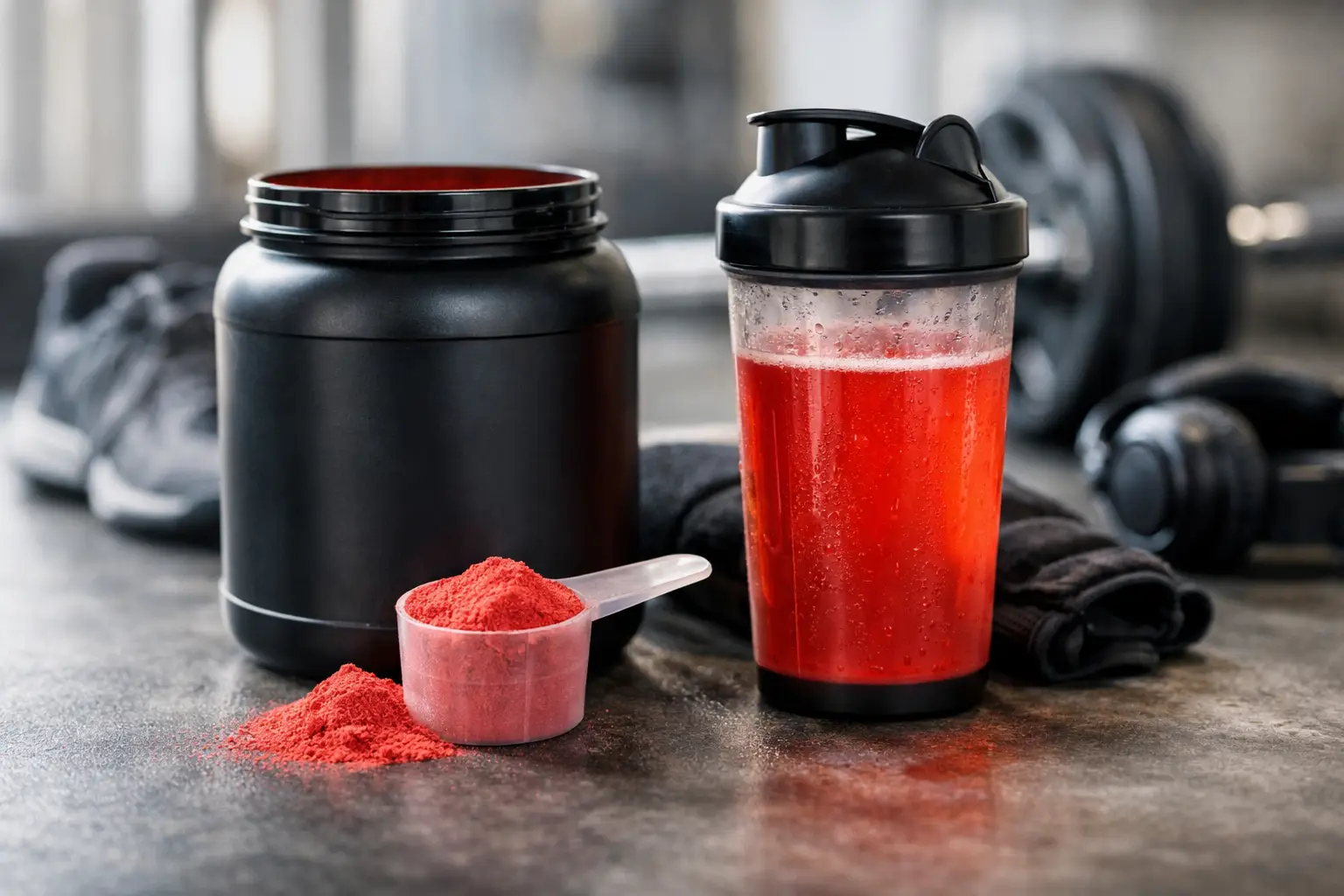
High Stim Pre Workout UK: What to Know
If your usual pre-workout barely moves the needle any more, you are probably not looking for a gentle pick-me-up. You are looking at the high stim pre workout UK market because you want stronger energy, sharper focus and that switched-on feeling before a serious session. The catch is simple – stronger formulas are not automatically better for everyone, and buying blind usually ends in disappointment.
What counts as a high stim pre workout in the UK?
A high-stim pre-workout is usually defined by its stimulant load rather than by pump ingredients or flavour profile. In practical terms, that means formulas built around higher caffeine, often paired with compounds such as theobromine, tyrosine, choline sources, synephrine or other focus and energy ingredients designed to make the session feel more aggressive.
For most experienced users, the difference between a standard pre and a high-stim option is obvious from the first scoop. Standard formulas are built for broad daily use. High-stim products are aimed at harder sessions, early starts, prep phases, heavy compounds and training days when motivation is low but output still needs to be high.
In the UK market, that also means shoppers tend to pay closer attention to label transparency, serving size and legality. Some formulas are strong because they are well built. Others just throw caffeine at the problem. That is not the same thing.
Why people buy high stim pre workout UK products
The appeal is straightforward. A proper high-stim product can raise training intensity fast. You feel more alert, more driven and often more willing to push through volume, heavy sets or cardio that would otherwise feel flat.
That matters for lifters who train before work, athletes trying to keep output high during a calorie deficit, and experienced gym-goers who know exactly how they want a pre-workout to hit. Energy is only part of it. The better formulas also improve urgency, mood and concentration, which can make the whole session feel more productive rather than simply more wired.
There is also a convenience factor. Many supplement users do not want to build their own stack from separate tubs of caffeine, nootropics and pump agents. They want one product, one scoop and a clear reason to train hard. That is why this category keeps growing.
The ingredients that actually matter
Caffeine is still the main event. It is the ingredient most users notice first, and it is often the benchmark used to compare formulas. But caffeine on its own does not always create a smooth or effective session. High caffeine with poor support ingredients can feel jittery, short-lived or messy.
That is why experienced buyers look at the full profile. Tyrosine is commonly used for focus and stress support. Choline sources may help with concentration and mind-muscle connection. Theobromine can change the feel of a formula by extending stimulation in a different way to caffeine. Synephrine sometimes appears in harder-hitting products, especially where energy and thermogenic support overlap.
Then there is beta-alanine. It is not a stimulant, but it often shows up in this category because many users associate the tingles with a pre-workout kicking in. Citrulline, glycerol and other pump ingredients matter too, but they serve a different purpose. A high-stim pre without enough support for performance and blood flow can feel intense yet underwhelming once training starts.
Strong formula or just overloaded label?
This is where a lot of people get caught out. A label can look stacked because it lists a long row of trendy ingredients, but that does not mean it is dosed well. The real test is whether the formula has enough of the right compounds to improve the training experience without turning into pure chaos.
A strong high-stim pre-workout should feel purposeful. You want energy that builds cleanly, focus that stays locked in and performance support that lasts beyond the first twenty minutes. If a product feels like a massive spike followed by an early crash, that is not premium performance. That is bad planning in a tub.
Shoppers who already know their tolerance tend to spot this quickly. They look at caffeine per full serving, check whether the supporting ingredients make sense and decide if the formula matches the session they are buying it for.
Who high-stim pre-workouts suit
This category is usually best suited to experienced supplement users, regular stimulant users and serious trainees who know how their body responds. If you already use coffee, energy drinks or standard pre-workouts daily, a harder formula may make sense when you need more from your training window.
It can also suit those in demanding phases where fatigue is high. Cutting phases, early-morning sessions, long workdays before training and high-volume blocks are all common reasons people move up to stronger pre-workouts.
That said, high stim is not a badge of honour. If you are stimulant-sensitive, train late in the day or get anxious from caffeine, a lower-stim or non-stim option may be the smarter buy. Better results come from consistency, not from taking the strongest product on the shelf because it sounds hardcore.
How to choose the right high stim pre workout UK option
Start with your tolerance, not with the marketing. If you rarely use stimulants, jumping straight into an extreme formula is usually a mistake. A half scoop strategy can work, but only if the product is still properly balanced at that serving.
Next, think about your goal in the gym. Some users want raw aggression and maximum energy. Others want cleaner focus with enough stimulation to train hard without feeling scattered. Those are different buying decisions. The best product for a heavy leg day is not always the best product for steady evening training.
You should also consider timing. If you train after work, a very high-stim formula could wreck sleep, which then hurts recovery, performance and appetite control the next day. In that case, the strongest pre-workout may actually be the weaker long-term choice.
Brand reputation matters too. Established retailers such as SUPPS101 appeal to serious buyers because category depth makes it easier to compare labels, formats and strengths rather than settling for whatever happens to be trending.
Common mistakes with high-stim use
The biggest mistake is chasing tolerance upwards too quickly. A pre-workout that feels amazing in week one can feel average a month later if you use it every session and stack it on top of coffee and energy drinks. Then users start adding more, and the whole cycle becomes expensive and unnecessary.
The second mistake is ignoring total daily caffeine intake. Your pre-workout does not exist in isolation. If you have already had two strong coffees and then add a full serving of a high-stim product, you may end up with side effects that have nothing to do with the product quality.
Another common issue is using a high-stim pre to cover up poor basics. If sleep is poor, food is low and hydration is off, even a premium formula can only do so much. Strong stimulation can make a bad setup feel temporarily better, but it does not fix the reason performance is dipping.
When a lower-stim or non-stim option makes more sense
There are times when less is more. Evening training is the obvious one. So is anyone trying to reduce stimulant dependence, improve sleep quality or avoid feeling fried after repeated hard sessions.
Pump-focused or lower-stim products can still deliver a strong workout, especially if your issue is motivation rather than full-body fatigue. Some lifters actually perform better with cleaner formulas because they can focus on execution without the edge and restlessness that heavy stimulants sometimes bring.
That is why the best buyers do not treat pre-workout categories as a hierarchy. High-stim is not the final level. It is one tool, and it works best when matched to the right user and the right session.
What to expect from a good product
A quality high-stim pre-workout should make you want to train, not make you feel out of control. The session should feel sharper, stronger and more productive. Energy should come on in a usable way, focus should stay tight and the product should support the full workout rather than just the first rush.
Flavour, mixability and serving value still matter as well. If a formula is strong but tastes rough, clumps badly or only gives a handful of effective servings per tub, buyers notice. In a competitive UK market, products need to perform on label and in practice.
That is really the standard to use when shopping this category. Not hype. Not the loudest tub. Not the product with the wildest name. Just a formula that matches your tolerance, your schedule and the way you actually train.
If you are shopping for a high-stim pre-workout, be honest about what you need the product to do. The right choice should help you attack training with more intent, not leave you managing the fallout after it.
About author

Add comment